Geekzilla Podcast: In-Depth Review, Topics, Hosts & Cultural Impact (2026 Guide)
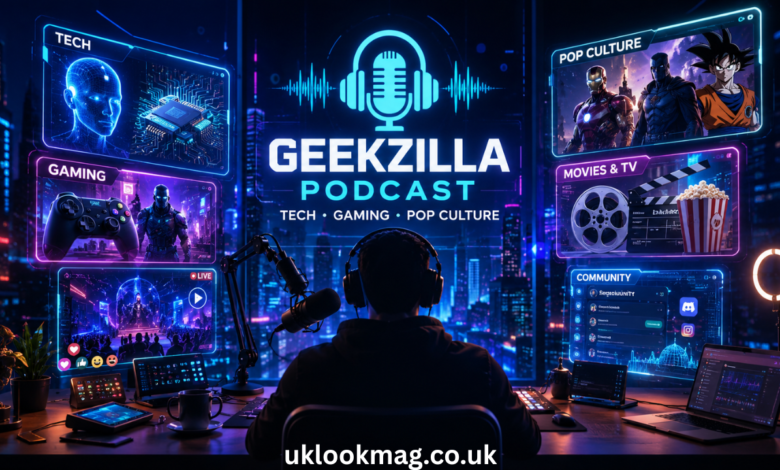
The current state of the podcast industry has evolved greatly from its inception and it can now be considered an emerging digital media industry that unites technology, entertainment, and Internet culture into a unified whole. Among the emerging innovations on the current scene is the Geekzilla Podcast, which caters to audiences interested in talking about tech, games, and pop culture all at once.
An important feature of the podcast lies in its content that combines multiple different aspects of digital culture into a coherent story. A typical episode may include a discussion about the state of Artificial Intelligence research and technology followed by the narrative arcs featured in the latest Marvel films and ending in economic factors behind game production.
Compared to other niche podcasts, this particular example illustrates a paradigm change in media consumption that involves connected digital stories rather than separated pieces of information.
This guide provides a detailed overview of the topic by focusing on the podcast’s content, format, structure, and overall popularity.
What Is Geekzilla Podcast?
The Geekzilla Podcast is a multi-category digital talk show focused on:
- Technology and innovation
- Gaming and esports culture
- Movies, anime, and pop culture
- Digital media and internet trends
From an SEO entity perspective, it sits at the intersection of:
Technology Podcast + Gaming Podcast + Pop Culture Commentary
This hybrid positioning is important because modern podcast consumption is no longer niche-based. According to global podcast industry insights, audiences increasingly prefer multi-interest content formats that reflect their real-life digital behavior.
The Geekzilla Podcast fits this pattern by combining:
- Tech discussions (AI, cybersecurity, gadgets)
- Entertainment analysis (Marvel, DC, anime)
- Gaming ecosystem breakdowns (esports, AAA titles)
This makes the Geekzilla Podcast more of a digital culture hub than a traditional podcast.
Background and Evolution of Geekzilla Podcast
The rise of the Geekzilla Podcast aligns with the global expansion of podcasting after 2020, when digital audio consumption surged due to:
- Remote work culture
- Growth of streaming platforms
- Increased screen-time behavior
- Expansion of creator-driven media
In this environment, podcasts shifted from “radio alternatives” to on-demand knowledge ecosystems.
The Geekzilla Podcast evolved with this shift by adopting a multi-topic structure, rather than focusing on a single niche.
Key Evolution Phases:
1. Early Phase – Niche Discussions
- Basic tech and gaming commentary
- Simple episode structure
2. Growth Phase – Content Diversification
- Introduction of pop culture topics
- Inclusion of entertainment industry analysis
3. Current Phase – Hybrid Digital Media Model
- AI discussions
- Streaming culture analysis
- Gaming + entertainment crossover content
This evolution mirrors broader media convergence trends seen across platforms like YouTube, Spotify, and Twitch ecosystems.
Why Geekzilla Podcast Became Popular
The success of the Geekzilla Podcast is tied to modern audience psychology and digital behavior patterns.
1. Hybrid Interest Consumption
Users today don’t fit into one category. A single listener may enjoy:
- AI technology updates
- Anime storytelling
- Gaming tournaments
- Marvel movie theories
Geekzilla Podcast reflects this multi-interest identity model.
2. Rise of “Geek Culture” as Mainstream Media
Geek culture is no longer niche. It now includes:
- Marvel Cinematic Universe (MCU)
- Esports tournaments
- Anime streaming platforms
- Gaming industry billion-dollar expansion
This cultural shift expanded the podcast’s audience base.
3. High Engagement Format
Unlike short-form content, podcasts like Geekzilla offer:
- Longer attention retention
- Deeper discussions
- Emotional connection with hosts
This creates stronger audience loyalty.
4. Community-Driven Growth
Modern podcast discovery often happens through:
- Reddit discussions
- YouTube clips
- Discord communities
- TikTok highlights
The Geekzilla Podcast benefits from this distributed discovery ecosystem.
Core Topics Covered in Geekzilla Podcast
The podcast structure is built around four semantic content clusters:
Technology & Innovation (AI + Digital Transformation)
This section focuses on emerging technologies:
- Artificial Intelligence (AI tools & trends)
- Cybersecurity awareness
- Smartphone innovation cycles
- Consumer electronics ecosystems
- Virtual Reality (VR) and Augmented Reality (AR)
These discussions often connect tech evolution with real-world usage patterns.
Gaming & Esports Culture (Global Gaming Economy)
Gaming is one of the strongest entity clusters in the podcast.
Topics include:
- Esports tournaments and teams
- Game development cycles
- Console ecosystems (PlayStation, Xbox, Nintendo)
- Gaming hardware advancements
- Indie vs AAA game industry trends
Gaming is now a multi-billion-dollar global industry, making this segment highly relevant for digital audiences.
Movies, Anime & Pop Culture (Entertainment Ecosystem)
This segment connects emotional storytelling with fandom culture:
- Marvel and DC cinematic universes
- Anime storytelling structures
- Streaming platform releases (Netflix, Disney+)
- Fan theories and franchise analysis
This content drives strong engagement because it connects directly with online fandom communities.
Industry Trends & Digital Media (Creator Economy)
This is the most analytical segment of the Geekzilla Podcast:
- Social media algorithm changes
- Content creator economy growth
- Podcast industry expansion
- Digital marketing behavior shifts
- Online community psychology
This section appeals strongly to marketers, creators, and tech professionals.
Features That Define Geekzilla Podcast
The Geekzilla Podcast stands out due to its hybrid structure:
- Multi-domain content strategy (tech + entertainment + gaming)
- Conversational storytelling approach
- Opinion-driven analysis instead of news reporting
- Strong alignment with pop culture cycles
- Broad accessibility for non-technical audiences
This positioning makes it a top-of-funnel awareness podcast rather than a purely technical show.
Geekzilla Podcast Hosts and Community Engagement
The hosting style plays a critical role in podcast success.
In the Geekzilla Podcast, the tone is:
- Conversational
- Opinion-based
- Community-focused
Instead of formal reporting, the podcast uses discussion-driven narrative flow, which increases listener retention.
Community Engagement Channels:
- Social media discussions
- Listener feedback loops
- Episode topic suggestions
- Fan-driven debates
This creates a feedback ecosystem, where content evolves based on audience behavior.
Most Discussed Episodes and Content Style
High-performing episodes often include:
- AI and future technology predictions
- Major gaming industry controversies
- Marvel/DC storyline breakdowns
- Tech product comparisons
- Streaming platform strategy analysis
The content style is intentionally flexible:
- Not overly scripted
- More conversational than formal
- Balanced between information and entertainment
This format matches modern podcast consumption behavior, where authenticity matters more than structure.
Benefits of Listening to Geekzilla Podcast
Listening provides:
- Updated awareness of tech and gaming trends
- Better understanding of digital culture evolution
- Entertainment combined with learning
- Insight into online community behavior
- Exposure to industry-level discussions in simple language
This makes the Geekzilla Podcast useful for both casual listeners and digital professionals.
Who Should Listen to Geekzilla Podcast?
Ideal audience segments include:
- Tech enthusiasts
- Gamers and esports fans
- Anime and pop culture followers
- Digital marketers
- Content creators
- Students exploring tech trends
It works especially well for users who prefer multi-topic learning environments.
Geekzilla Podcast vs Other Tech Podcasts
| Feature | Geekzilla Podcast | Traditional Tech Podcasts |
|---|---|---|
| Content Scope | Tech + Gaming + Pop Culture | Mostly Technology |
| Tone | Conversational & relaxed | Analytical/formal |
| Audience | Broad digital audience | Niche professionals |
| Engagement Style | Community-driven | Expert-driven |
| Entertainment Value | High | Medium |
Unlike single-focus tech podcasts, Geekzilla Podcast acts as a cultural intersection platform.
Strengths and Limitations
Strengths
- Broad audience appeal
- Strong entertainment + education mix
- High relatability
- Multi-topic flexibility
- Strong cultural relevance
Limitations
- Less technical depth for professionals
- Broad scope may reduce specialization
- Not ideal for academic-level research
Real Listener Experience & Community Feedback
User behavior shows:
- Episodes consumed during multitasking (gaming, commuting, browsing)
- Clips shared on social platforms for discussion
- High engagement on opinion-based segments
- Extended community debates after episodes
This indicates the podcast functions as a discussion catalyst, not just a content source.
FAQs
What is Geekzilla Podcast about?
It focuses on technology, gaming, pop culture, and digital media trends.
Is Geekzilla Podcast worth listening to?
Yes, especially for users interested in mixed geek culture content.
Where can I listen to Geekzilla Podcast?
On major podcast streaming platforms.
Who hosts Geekzilla Podcast?
It features conversational hosts focused on tech and entertainment topics.
Does it focus only on technology?
No, it also includes gaming and pop culture discussions.
Is it beginner-friendly?
Yes, topics are explained in simple, accessible language.
What makes it different?
Its hybrid structure combining tech, gaming, and entertainment.
Is it updated regularly?
Episodes follow a flexible release pattern based on topics.
Final Verdict
The Geekzilla Podcast is best understood as a modern digital culture podcast, not just a tech show. It reflects how audiences today consume blended content across technology, gaming, and entertainment.
Its biggest strength is not technical depth, but cultural relevance and accessibility.
For listeners who want a single podcast covering multiple interests in one place, it remains a strong and engaging option.